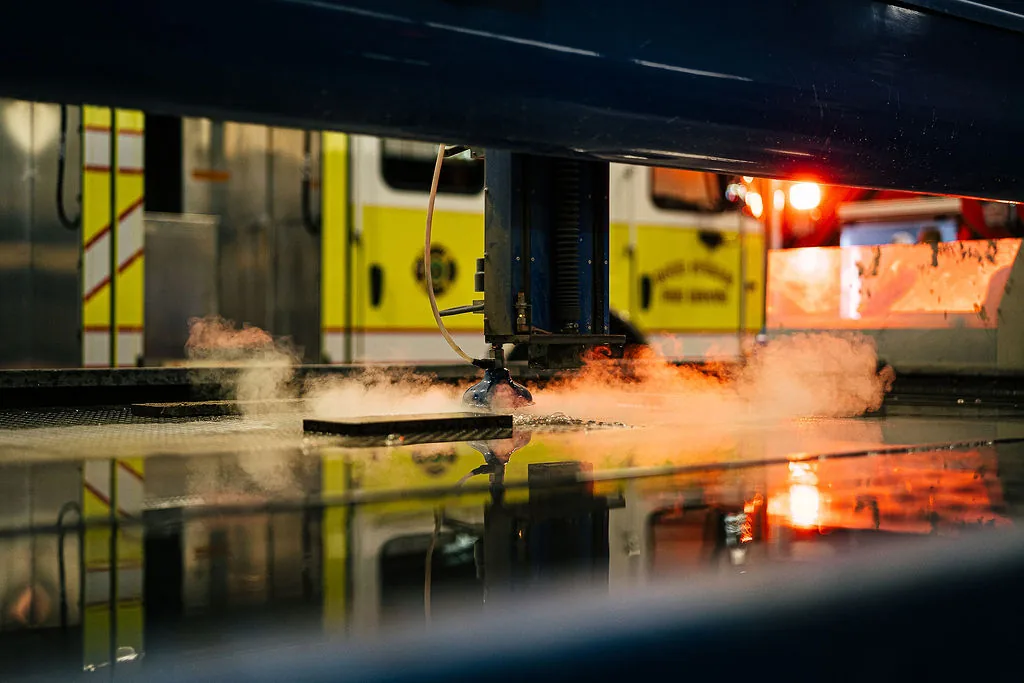
Capability
Engineering
Practical engineering that starts with the user and ends on the shop floor. FES turns operational requirements into designs that can be built, serviced, and trusted.
Approach
Application-driven design
Every FES design starts with the same questions. What does the equipment need to do? Who uses it? Where does it work? What breaks the products they use now?
Understanding the user
Design decisions come from how the product gets used: reach heights, load paths, glove-handed operation, night conditions, and the wear of daily service.
Vehicle and body design
Body structures, compartment layouts, and weight distribution designed as a system with the chassis, not bolted on as an afterthought.
Component and equipment integration
Pumps, electrical systems, lighting, storage, and mounted equipment planned into the design from the start so integration is not a fight at the end.
Storage design
Compartments, racking, trays, and drawer systems engineered around the actual equipment list, so everything has a place and survives the ride.
Design refinement and prototyping
Designs get refined against feedback from fabricators and end users, and proven out in metal when a drawing is not enough.
Engineering-to-fabrication handoff
The people who design the product work in the same building as the people who build it. Problems get solved at the table, not through a ticket system.
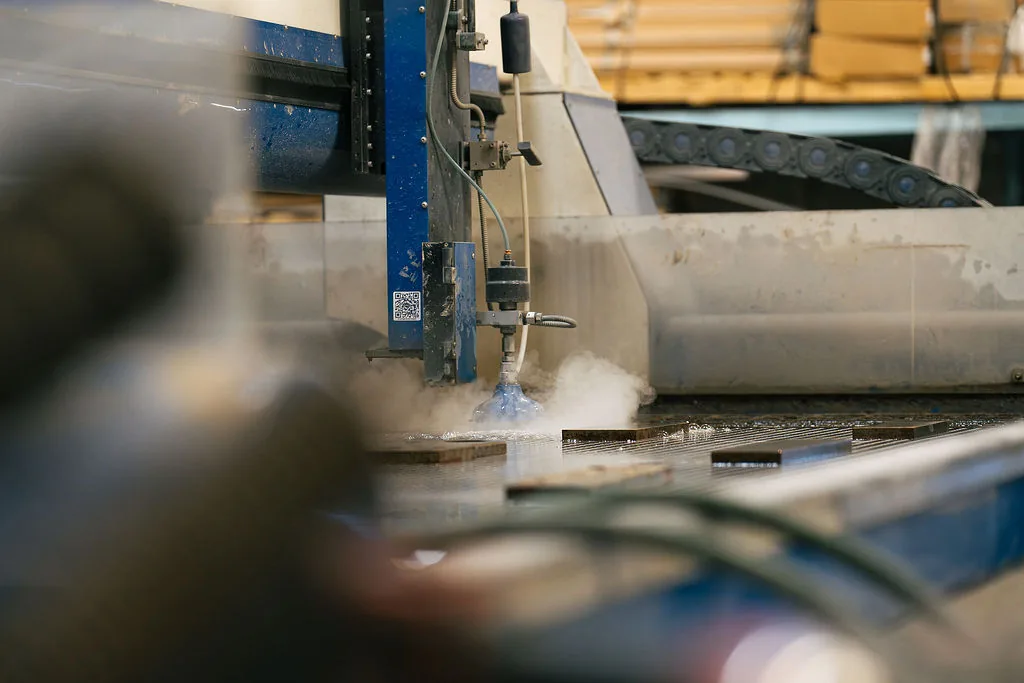
From File to Part
Designed to be built
A design is only as good as the part it produces. FES designs with the shop's cutting, forming, and welding processes in mind, so parts come off the table ready to fit and the finished product matches the drawing.
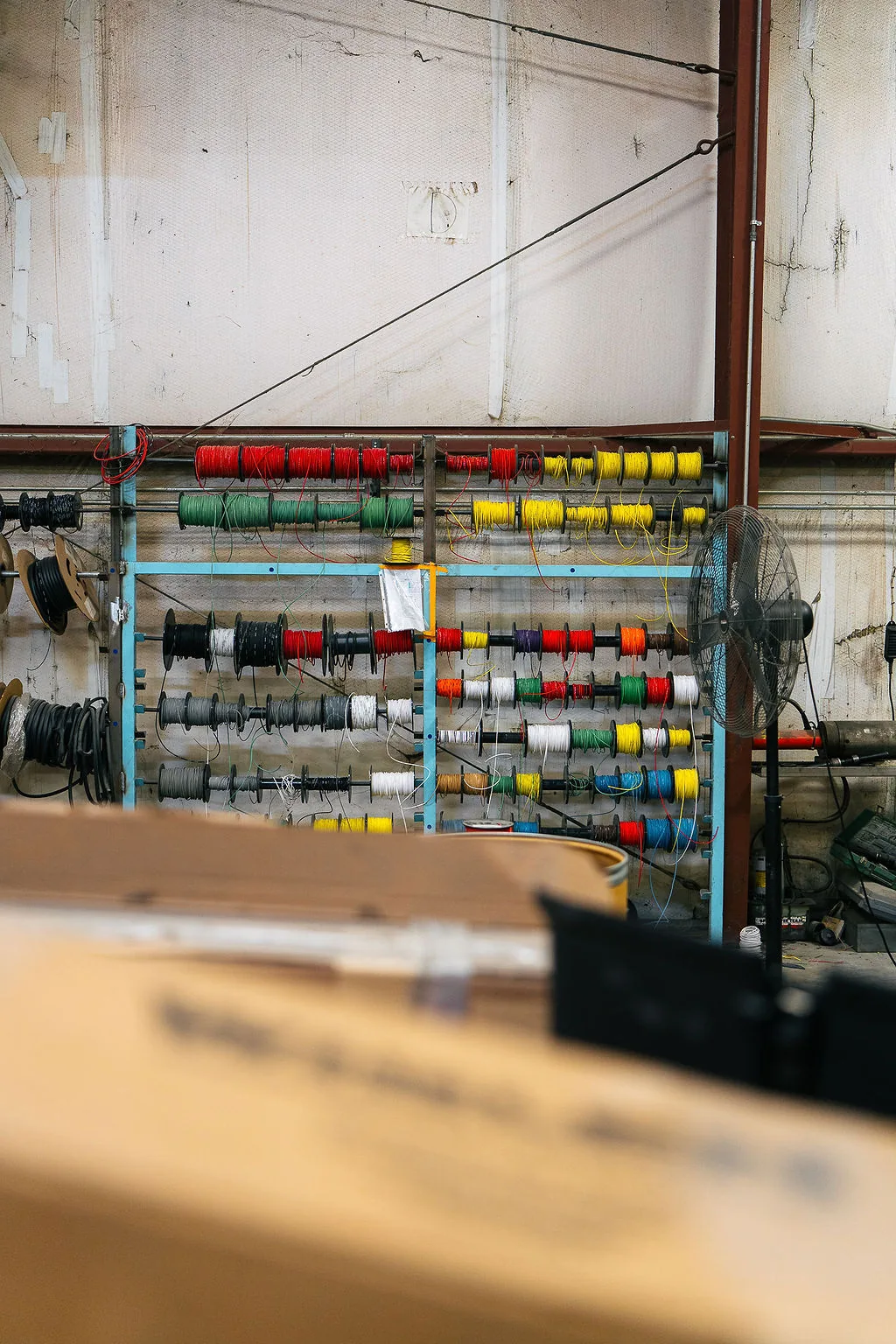
Systems Thinking
The details that keep equipment in service
Color coded wiring, labeled runs, serviceable routing, and documentation that lets a department or fleet keep the product working for years. Engineering at FES covers the parts nobody sees, because those are the parts that determine whether the product lasts.
See how designs get builtEngineering Inquiry
Bring us the problem, not the solution
You do not need a finished specification to start. Describe what the equipment has to do and where it falls short today. We will help engineer the answer.